

Will it be windy on the Great Ocean Road in March? Quick answer: yes – but honestly, the wind’s not going to be a problem for long or in most places – provided you plan things right.
March is a bit of a sweet spot, really – it’s the shoulder season between the scorching heat of summer and the chilly months. Yes, you’ll still get coastal winds, particularly wherever the Twelve Apostles are – but at least they’re a bit more predictable and less likely to throw you for a loop. I’ve driven the Great Ocean Road so many times, I’ve lost count – but for decent weather without all the chaos, I reckon March is a pretty safe bet. If you’re joining a Great Ocean Road tour in Melbourne with some of the tour operators like Autopia Tours, their guides will have a pretty good idea of how to work around the wind, which really makes a difference.
Let’s get down to brass tacks and break down what you can expect – no beating around the bush here – just what really matters when you’re out there with salt spray in your face and your coffee going cold on the bonnet.
Contents
Understanding Coastal Wind Patterns In Early Autumn
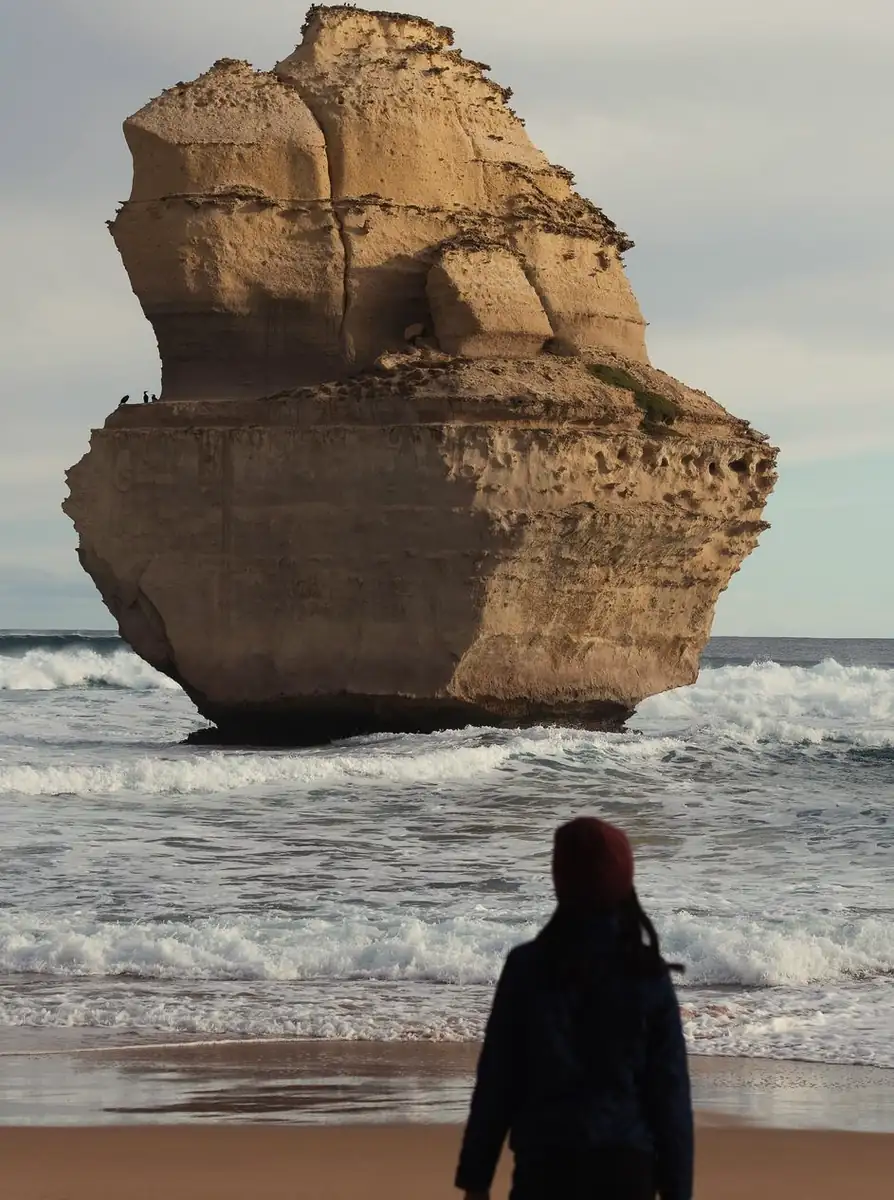
March wind along the Great Ocean Road has a rhythm. It’s not just random – it’s actually pretty straightforward once you understand the coastal temperature dance between land and sea.
Daily Pattern You’ll Notice Straight Away
Most days go like this
- The mornings are usually calm or just a bit of a breeze
- It picks up a bit through late morning
- The afternoons bring the strongest gusts
- And by evening, it often settles down again
That’s just the Southern Ocean doing its thing. If you’re on a Great Ocean Road day trip, it’s worth keeping this timing in mind – folks tend to underestimate how much a difference it makes.
What The Data Actually Shows
Looking at the long-term climate averages and weather data from the Bureau of Meteorology, March conditions seem pretty consistent year in, year out.
| Time Of Day | Average Wind Speed | Wind Speed m/s | What It Feels Like |
|---|---|---|---|
| Morning | 5–15 km/h | 1.4–4.2 m/s | Calm, easy walking |
| Afternoon | 15–30 km/h | 4.2–8.3 m/s | Noticeable, can be gusty |
| Strong Gusts | 30–50 km/h (occasional) | 8.3–13.9 m/s | Hat-gone-in-3-seconds territory |
That “afternoon pick-up” is the one that catches travellers out. You start the day thinking it’s flat as a pancake — by 2 pm, you’re leaning into it.
Where Conditions Get Wild — And Where You Can Hide
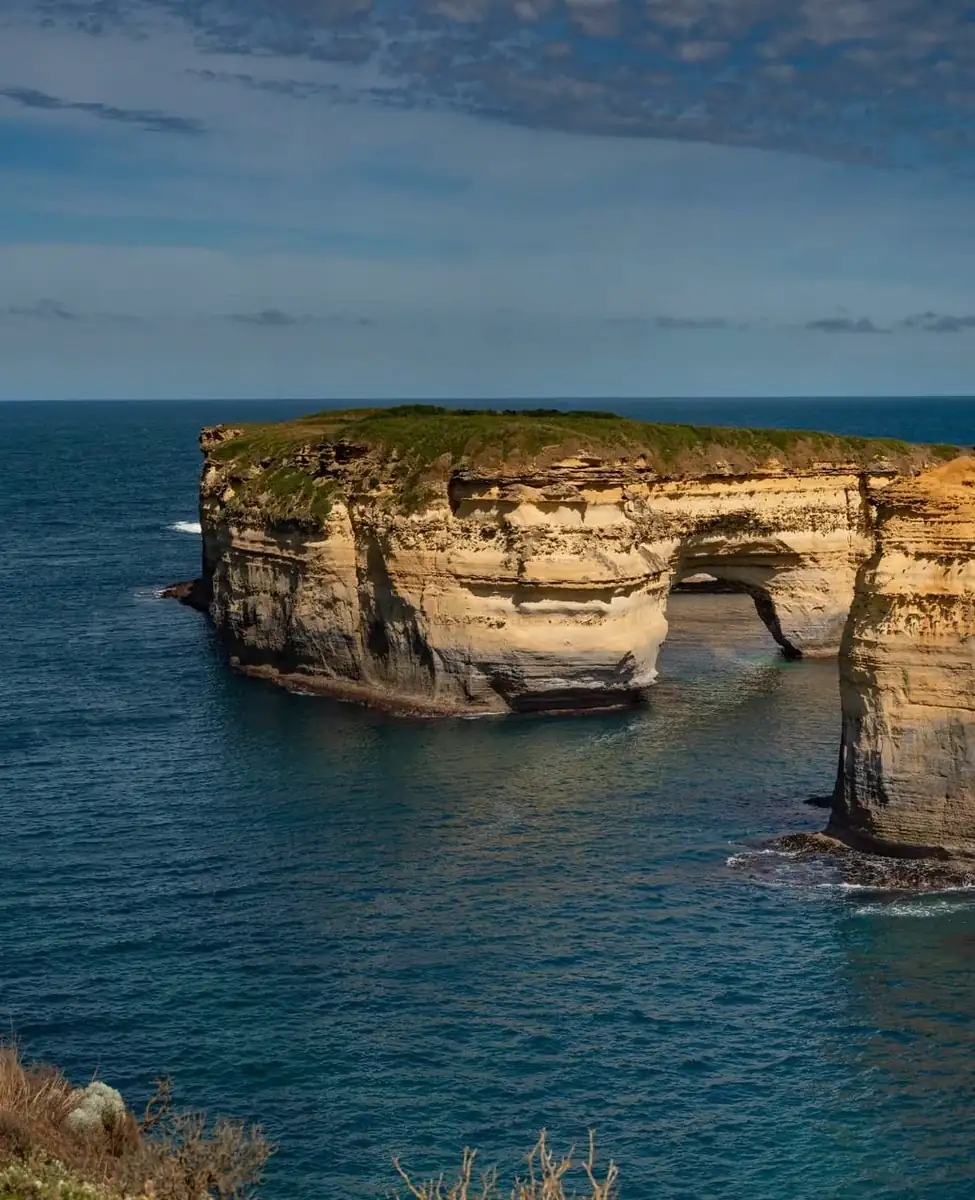
This coastline is all over the place. Some bits are right out there in the open, others are tucked away and as calm as a lake. Knowing which is which can avoid a whole heap of frustration.
Exposed Sections That Cop The Full Force
This is where the wind really makes its presence known:
- The 12 Apostles and their mate, the Twelve Apostles, in Port Campbell National Park.
- Loch Ard Gorge and London Arch (aka London Bridge) near Port Campbell.
- The clifftops around Cape Otway – not exactly a sheltered spot.
- Open bit of coastline in Bay of Islands Coastal Park.
These areas are directly facing the Southern Ocean – no obstacles to catch the wind. And I mean no holds barred.
Sheltered Areas Worth Timing Right
When the gales pick up, get out of the wind by heading into the forest or finding a natural shelter:
- The rainforest bits in Great Otway National Park
- Apollo Bay – it’s not too bad
- Maits Rest Rainforest Walk – tracks through the trees
- Some coastal pockets around Aireys Inlet
If you’re doing a Great Ocean Road tour from Melbourne, that’s exactly why the guides keep shifting between the coast and the forest – it’s not just random, it’s a deliberate strategy.
What Changes On The Ground When The Wind Picks Up
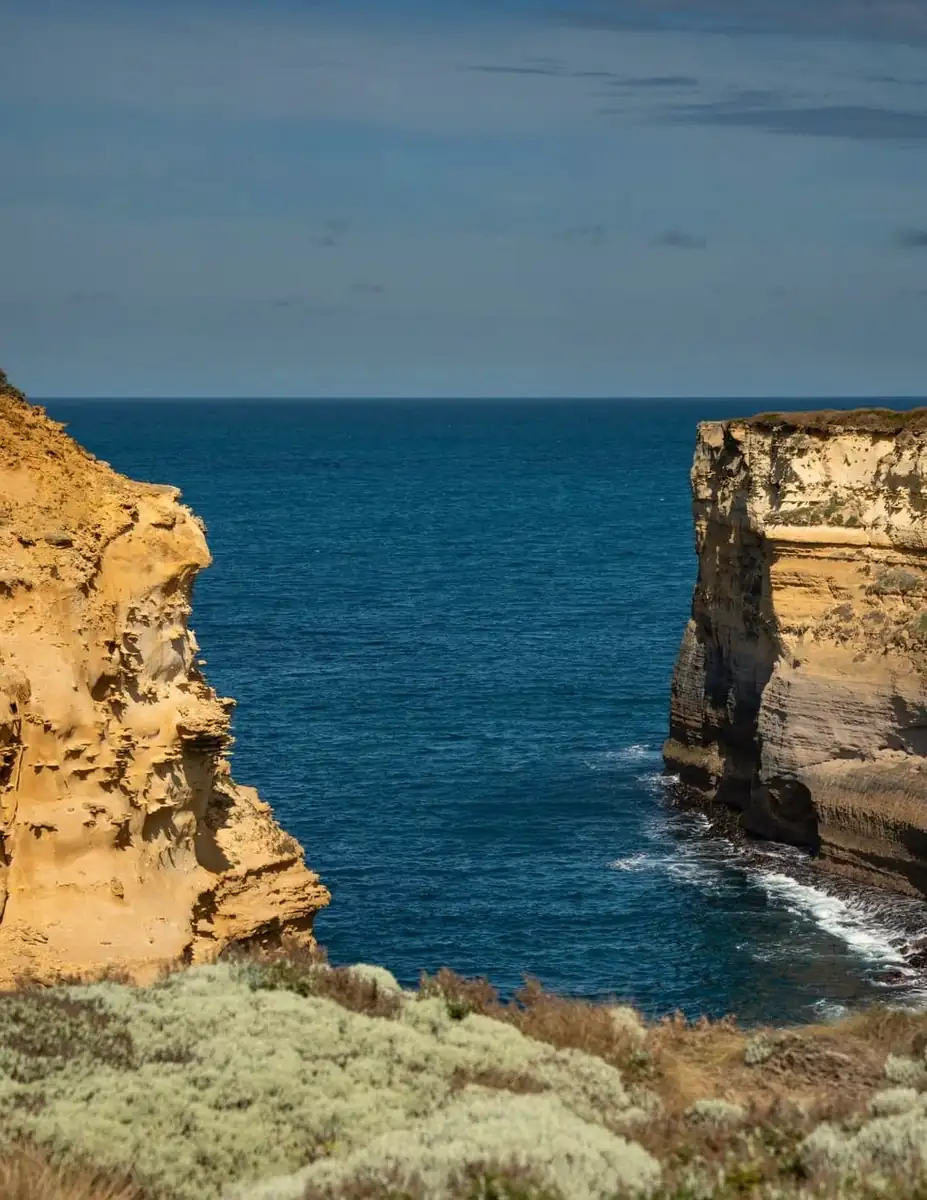
The wind is a real game-changer – it doesn’t just happen, it shapes your whole experience.
Driving Tips
Out on those open bits between Apollo Bay and Port Campbell, crosswinds can catch the car and nudge it around a bit. Nothing too scary if you keep your wits about you, but you’ll definitely notice it. Both hands on the wheel, and don’t go too fast.
Walking The Coast
The Great Ocean Walk changes character when the wind gets up. What was a nice, easy stroll suddenly becomes a bit of a hike. On the flip side, when the ocean’s really angry, that’s when the coastline comes alive.
When To Take Your Photos
If you’re chasing a clean shot, morning is your best bet. But if you want the drama of the waves smashing up against the limestone stacks, the afternoon wind is the way to go.
Simple Planning Moves That Make A Big Difference

It’s not rocket science, just basic good sense.
Get Your Timing Right
Start early; it makes a huge difference. There’s no getting around it.
A typical plan that works for us is:
- Start the day running through Lorne and Aireys Inlet
- Head to Apollo Bay by mid-morning
- Get the car and yourself inland through Otway National Park by midday
- Slog back along the coast in the afternoon and hit the highlights at Port Campbell
That’s more or less how every good Great Ocean Road tour is structured, even the ones run by Autopia Tours, because it works.
Pack For Reality, Not Instagram
You don’t need a lot, just the right stuff:
- A decent windproof jacket (trust me on this one)
- Sunglasses – you’ll be glad you brought them
- A bit of waterproof gear just in case it gets really wet
- Shoes that’ll stick to your feet if you’re wandering along the coastal tracks
Leave the floppy hat at home unless you want to donate it to the ocean.
A Quick Yarn From The Road
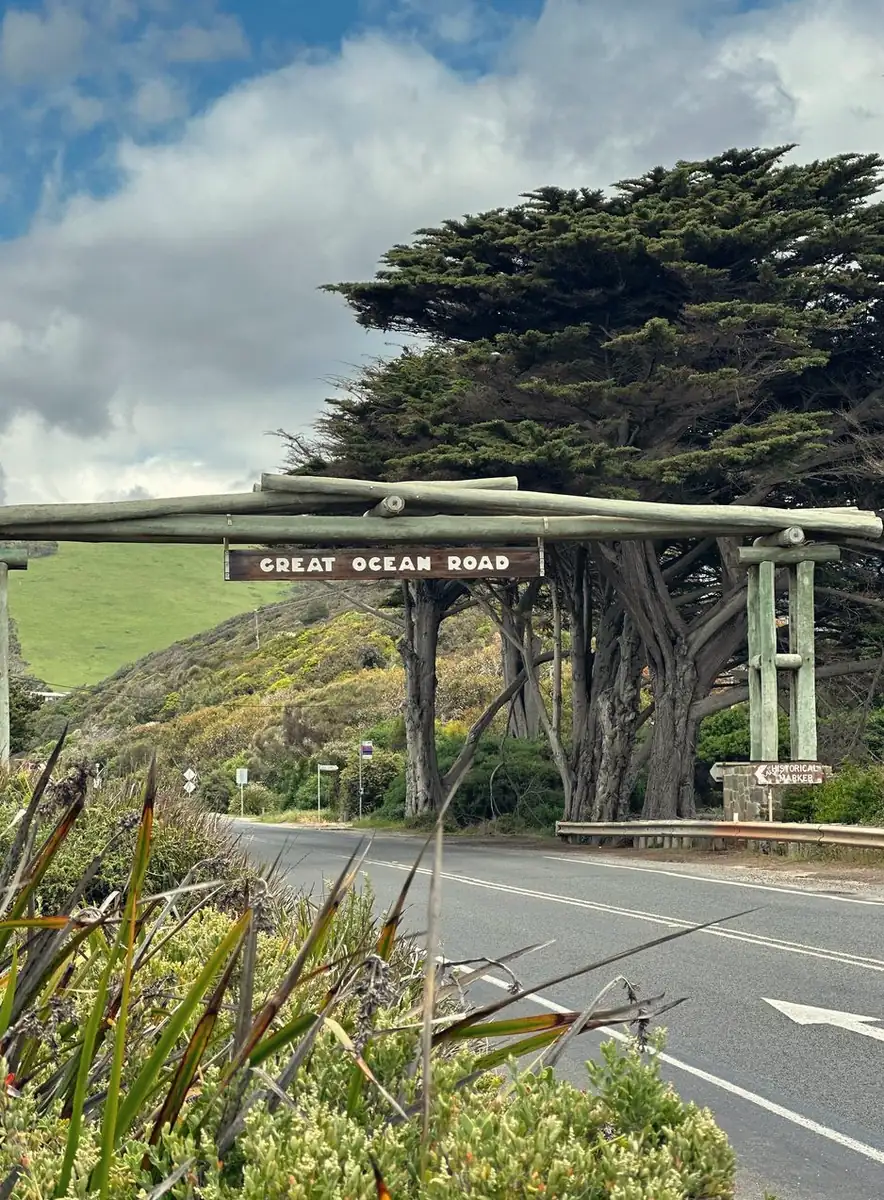
First time I drove the Great Ocean Road back in March, I thought I’d got it sussed. The sky was blue, hardly a breath of air coming out of Melbourne.
By the time I rolled into the Twelve Apostles near Port Campbell, though, the wind just came at me sideways, my camera was fighting to stay steady, and some bloke was running after his hat, which nearly got swept all the way out to Tasmania.
But here’s the thing – the wind didn’t ruin the trip. It actually made it. The ocean looked like it was really coming to life, waves smashing into the stacks, with that proper wild Southern Ocean energy.
That’s the difference between a jolly day and a day that’ll stick in your memory.
What This Means For Your Trip Planning
So here’s the lowdown:
- Yes, the March Wind is very real
- No, it won’t ruin your holiday – it just might change how you plan your day
- If you’d rather just turn up and not bother with all the logistics, planning and worrying about timing and wind patterns, then you can always jump on a Great Ocean Road day trip with a crew like Autopia Tours – they’ve done all the trial and error for you.
FAQ
Does the wind just howl all day?
No, it tends to build up from late morning and gets going properly by the afternoon before dying down again.
Which places along the way are the worst for wind?
The cliff top places like the Twelve Apostles, Loch Ard Gorge and Cape Otway take the brunt of it.
Is morning the best time to see the sights?
Yeah, definitely. You’ll get a bit of calm and some nice light for your photos.
Will the wind make driving a nightmare?
It can give you a bit of a wobble on the open bits, but just drive normally, and you’ll be fine.
Can you avoid the wind altogether?
Not entirely, but you can cut down the impact by timing your stops right and heading inland when the wind is at its worst.