
Embarking on an eco-tour of a mangrove forest is a unique opportunity to explore one of nature’s most vital ecosystems while promoting environmental sustainability. Mangrove forests, often found along coastal areas, serve as crucial habitats for diverse wildlife, protect shorelines from erosion, and offer numerous ecological benefits. This article will guide you through the wonders of mangrove ecosystems, the ecological importance of these forests, and what you can expect on an eco-tour. Let’s dive into the secrets of mangrove forests and discover how they contribute to our planet’s health.
Contents
Understanding Mangrove Forests
Mangrove forests are a distinct type of coastal ecosystem characterized by salt-tolerant trees and shrubs that thrive in intertidal zones. These trees are uniquely adapted to withstand flooding and salinity, allowing them to flourish in harsh environments where few other plants can survive. Found in tropical and subtropical regions, mangroves play a crucial role in maintaining coastal health and biodiversity. They provide essential services including fish nurseries, carbon sequestration, and protection against storm surges. Notably, these ecosystems are home to a variety of species, both terrestrial and marine, making them vital for ecological balance.
The biodiversity found within mangrove forests is impressive, including fish, crabs, mollusks, birds, and numerous terrestrial species. This rich diversity not only supports wildlife but also plays a significant role in local economies, particularly for communities relying on fishing and tourism. Mangroves naturally filter pollutants, improving water quality and providing nursery grounds for juvenile fish species, which in turn supports the local fishing industry. This makes mangrove ecosystems essential for both nature and sustainable livelihoods.

The Importance of Eco-tours
Eco-tours are designed to promote environmental awareness, conservation efforts, and sustainable practices while allowing visitors to engage with nature. A mangrove eco-tour offers participants unique insights into these ecosystems, showcasing their environmental significance and the need for their protection. Guided by knowledgeable hosts, these tours often visit areas that may be challenging to access, providing a deeper understanding of the intricate relationships within mangrove environments.
Participating in an eco-tour also promotes responsible tourism, with a focus on conserving natural habitats and educating travelers about the impacts of human activity. Many eco-tours include initiatives such as beach clean-ups, planting mangroves, or supporting local conservation projects, which help protect these critical ecosystems. Through these responsible practices, eco-tours empower visitors to engage in environmental stewardship and become advocates for preserving our planet’s natural beauty.
What to Expect During an Eco-tour

When you embark on a mangrove eco-tour, you can expect a variety of engaging activities that highlight the beauty and complexity of these unique ecosystems. Here are some common features of eco-tours focused on mangrove forests:
-
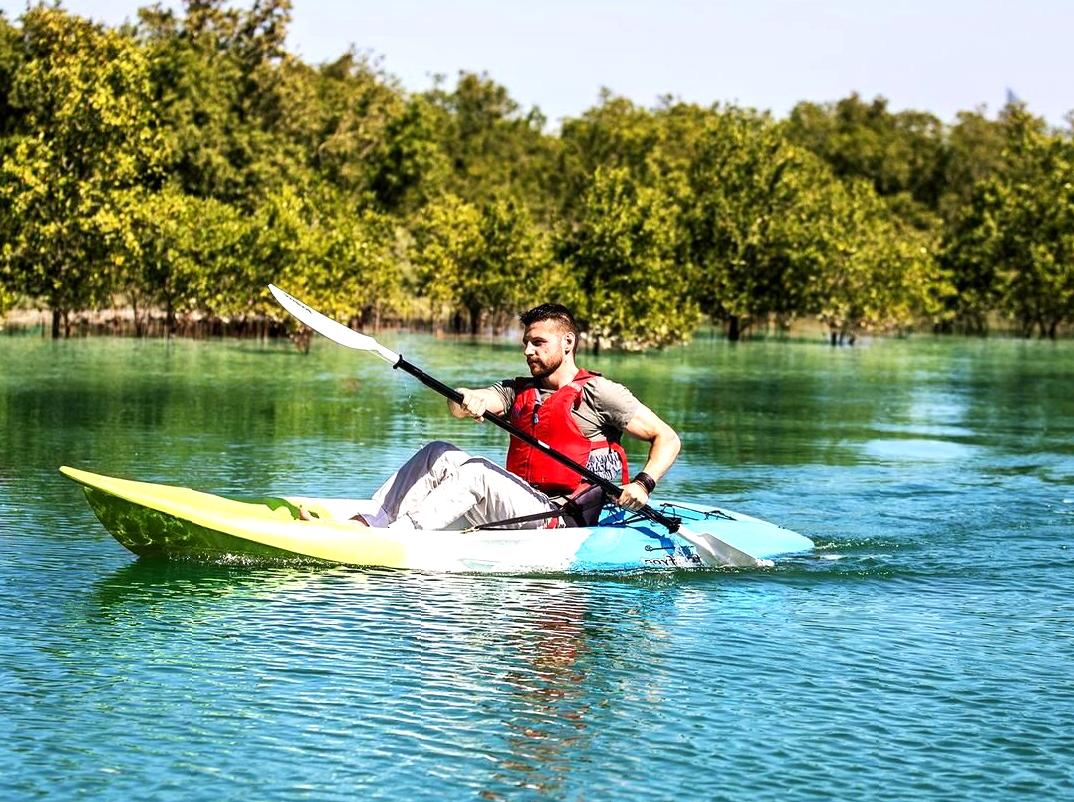
- Guided Kayak or Boat Tours: Exploring mangroves by kayak or boat allows you to navigate the intricate waterways while getting up close with flora and fauna.
- Wildlife Spotting: Experienced guides will help you identify various species in their natural habitat, from birds to aquatic life.
- Educational Workshops: Many tours include sessions on the importance of mangrove ecosystems, wildlife conservation, and sustainable practices.
- Hands-On Activities: Visitors might participate in planting mangroves or engaging in local conservation efforts.
- Local Cultural Experiences: Some eco-tours incorporate cultural heritage by interacting with local communities and learning about their relationship with the mangroves.
The experience is holistic and educational, engaging participants with the ecosystems’ delicacies while highlighting the pressing need for conservation. By experiencing the mangroves first-hand, visitors can foster a deeper appreciation for these crucial environments and the life they sustain.
Preserving the Future of Mangrove Forests

As climate change and human encroachment threaten mangrove ecosystems, it is essential to prioritize their preservation. Mangroves are not just vital for biodiversity; they also act as natural barriers against storms and rising sea levels. Their ability to store carbon makes them key players in combating climate change, yet they continue to be under threat from deforestation, pollution, and coastal development.
Engaging in eco-tourism is one of the pathways to promote conservation and awareness about these vital ecosystems. By participating in eco-tours, travelers not only enjoy the beauty of mangrove forests but also contribute to protecting them. Supporting sustainable tourism initiatives ensures that local communities benefit economically while conserving their environment. It’s about understanding that individual actions collectively lead to broader impacts on our planet’s health.
Conclusion
Eco-tours of mangrove forests provide an invaluable opportunity to explore and appreciate these unique ecosystems while fostering a commitment to conservation. Through guided exploration, individuals can learn about the ecological importance of mangroves, participate in hands-on activities, and contribute to sustainable practices that protect these natural treasures. As we discover the secrets of mangrove forests, we also empower ourselves to be stewards of the environment, ensuring that these vital ecosystems endure for generations to come.
FAQs
Mangrove forests are coastal ecosystems characterized by salt-tolerant trees and shrubs. They are essential for biodiversity, act as natural barriers against storms and erosion, filter pollutants, and provide nursery grounds for various marine species.
2. What can I expect on a mangrove eco-tour?
On a mangrove eco-tour, you can expect guided kayak or boat tours, wildlife spotting, educational workshops, hands-on conservation activities, and opportunities to connect with local cultures.
3. How can eco-tours help in conservation efforts?
Eco-tours promote environmental awareness, responsible tourism, and sustainable practices, empowering participants to engage in conservation efforts and learn about the importance of protecting fragile ecosystems.
4. Are mangrove forests threatened by human activity?
Yes, mangrove forests face threats from deforestation, pollution, coastal development, and climate change, making their preservation critical for the health of coastal ecosystems.
5. How can I get involved in mangrove conservation?
You can get involved in mangrove conservation by participating in eco-tours, volunteering with local conservation organizations, supporting sustainable tourism initiatives, or advocating for policies that protect these ecosystems.